
Blog
Insights on zero-party data, customer intent, choice overload, and turning anonymous traffic into qualified leads.

If you want customers to share, give them something back
Customers need a reason to share their preferences. A relevant product recommendation, a useful profile match, a call with a prepared adviser or a chance to win can make answering worthwhile. Make the benefit clear before asking questions, deliver what you promise and use the answers to improve what happens next.
Updated

The Preference Gap and what clicks leave unanswered
The Preference Gap is the distance between what businesses observe about customers and what they understand about their needs, preferences and intentions. Roccai’s framework helps teams separate facts from assumptions, ask relevant questions and decide how the answers should inform recommendations, marketing and follow-up.
Updated

When customers ask AI, what do brands get to know?
When customers ask an AI assistant for advice, they can share exactly what they want. But the brands that could help them may never hear it. Roccai helps businesses collect that missing customer insight and use it across recommendations, marketing, sales and content.
Updated

Roccai vs. HubSpot Quizzes: What’s the Difference?
HubSpot forms, native quizzes and Marketplace quiz tools can all build recommendation journeys. The difference with Roccai is how the journey is created and maintained: Roccai starts from your product, service or content data and helps manage the matching, so you shape the conversation instead of manually mapping every possible path.
Updated
A Product Discovery Framework That Reduces Choice Overload
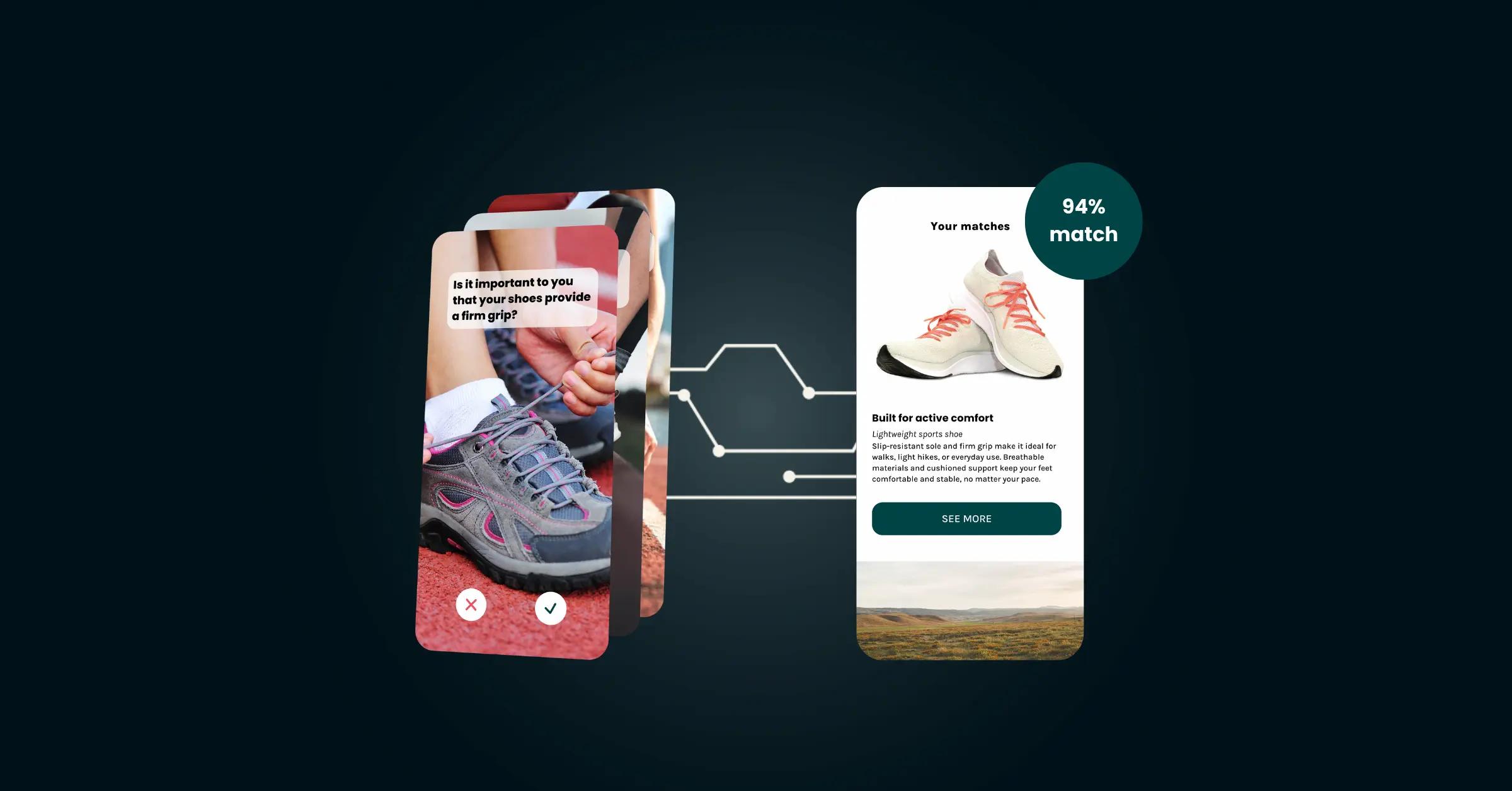
More choice does not lead to better decisions; better structure does. The fix for choice overload is a three-step product discovery framework: ask to understand intent, filter out what does not fit, then recommend a small, confident shortlist. Starting with declared intent also solves cold-start personalization for anonymous, first-time visitors.
Updated

The Cold-Start Problem in eCommerce (and How AI Solves It)
The cold-start problem is when personalization fails because a new visitor has no browsing history to draw on. AI solves it by collecting declared, real-time signals such as swipes, preferences, and goals instead of past behavior, building a relevant shortlist in a few answers. Roccai's guides do this cookieless and GDPR-compliant, working from the first visit.
Updated

Personalization for Small and Medium-Sized Webshops
Personalization is no longer enterprise-only. Small and medium webshops can deliver tailored shopping experiences affordably using zero-party data: collect it free with short interactive product guides, segment newsletters by declared preferences, and automate simple recommendations. No coding or big tech stack required, and it measurably lifts conversions and loyalty.
Updated

Zero-Party Data: The Key to Success in a Cookieless Future
Zero-party data is information customers intentionally share with you—preferences, wishlists, survey answers—in exchange for value. As third-party cookies vanish, it's the most reliable path to personalization: accurate because it reflects real intent, compliant because it's consented, and durable against shifting privacy rules. Collect it through quizzes, preference centers, and surveys.
Updated

How to Tackle “The Messy Middle” with Personalization and AI
The Messy Middle—where shoppers compare, hesitate, and abandon—is won by guiding uncertain visitors to confident decisions, not by adding more products. Roccai's AI-powered Product and Inspiration Guides ask targeted questions, deliver relevant shortlists, and capture cookieless Zero-Party Data, turning indecision into clarity across every channel without relying on third-party tracking.
Updated

Personalized Paths: The Future of the E-Commerce Funnel
The old e-commerce funnel of homepage, categories, filters, and endless grids breeds decision fatigue. Roccai Guides replace it with persona-driven, interactive paths that ask who you're shopping for and what matters most, guiding shoppers from uncertainty to confident purchases while lifting UX, conversions, and brand loyalty.
Updated

How to Ask the Right Questions to Understand Your Audience
The right audience questions start with a clear objective, then use open-ended, neutral wording tailored to each segment. Define what you want to learn, test questions on a small group, analyze responses for patterns, and act on them. Purposeful questions reveal the real needs and motivations vague ones miss.
Updated

What Makes Zero-Party Data Unique
Zero-party data is information a customer intentionally and proactively shares with a brand: preferences, purchase intentions, and product interests. Unlike first-, second-, or third-party data, it comes straight from the source, so it's accurate, privacy-forward, and free of third-party cookies. That makes it GDPR-compliant and the most reliable foundation for personalization.
Updated

Product Guide vs Inspiration Guide: What's the Difference?
A Product Guide and an Inspiration Guide solve two different problems. The Product Guide asks decision-based questions to narrow choices for shoppers who already know what they want, driving fast conversions. The Inspiration Guide uses preference-based questions to suggest ideas for exploratory browsers. Choose based on whether your audience arrives with intent or seeks inspiration.
Updated

Real customer insight starts with real interactions
Reliable customer insight comes from direct interactions, not behavioral tracking. Instead of guessing intent from clicks and cookies, Roccai asks customers directly through interactive guides that capture their stated preferences. This zero-party data is clearer, consent-based, and more accurate. Brands like Viktors Farmor build richer segments by asking, not stalking.
Updated

Choice Overload is Real — But You Can Guide the Way
Choice overload is real: too many options make people hesitate, abandon, or regret decisions, and that drags down conversions. The fix isn't fewer choices, it's better guidance. Roccai's interactive guides ask a few smart questions to filter or inspire, so customers navigate their options with confidence and actually complete the action.
Updated

Product Matching Starts with Understanding What Customers Want
Customer-to-product matching connects shoppers with relevant products using their needs, preferences and product information. Roccai Guide asks customers directly and uses their answers for recommendations. Roccai Growth Intelligence analyses the resulting preference and intent data to inform communication, sales follow-up and product decisions.
Updated

Building Trust Through Personalized Benefits
Personalized benefits build customer trust by proving you understand individual needs. Tailored discounts, recommendations, and communication improve the customer experience, raise perceived value, and deepen loyalty. To earn that trust, use customer data responsibly, keep offers relevant, prioritize privacy, and continuously test and optimize your personalization.
Updated

Newsletter Segmentation: The Key for Effective Email Marketing
Newsletter segmentation groups your subscribers so each receives content matched to their actual preferences, driving higher open rates, more sales, and fewer unsubscribes. Roccai's interactive swipe tool captures this zero-party data directly from users, then feeds it into your email lists so every campaign reaches the right people with relevant messaging.
Updated

Embracing Hyper-Personalization: The Future of Digital Marketing
Hyper-personalization uses AI, machine learning, and real-time behavioral data to deliver experiences tailored to each individual, going beyond basic demographic segmentation. Done right, it lifts engagement, conversions, and loyalty while respecting data privacy and consent. Roccai delivers it through interactive guides that turn declared customer intent into actionable zero-party data.
Updated

Exceptional Customer Journeys: The Key to Success with Personalized Product Experiences
Personalized product experiences win because they make each customer feel understood: relevant recommendations and tailored support drive higher satisfaction, more upsells and cross-sells, and lasting loyalty. To deliver them at scale, combine customer data, the right technology like CRM and analytics, and a strategy targeting the touchpoints where personalization matters most.
Updated

The power of Multiple Swipe AI Technologies Unlocked
Swipe-based AI (Multi-Swipe AI) turns simple swipe interactions into declared preferences and actionable insight, letting brands personalize product recommendations and lift engagement. Roccai puts this to work: customers design branded swipe cards, share their intent, and receive tailored suggestions, while your team gains preference data that feeds the tools you already use.
Updated

Driving Repeat Business: Boost Customer Loyalty
E-commerce brands can support customer loyalty through interactive shopping experiences, relevant recommendations, easy-to-use websites, and useful follow-up. Customer preferences and behavior data help businesses understand what matters to shoppers. Acting on that insight gives people a reason to return.
Updated

Beyond Clicks: Enhancing UX/UI with Intuitive Swiping
Swiping is overtaking clicks as the natural way people navigate digital interfaces. It mirrors instinctive hand movements, turning passive users into active participants and making content flow feel fluid. Done well, with clear microinteractions, responsive feedback, and accessible alternatives like large tap targets, swiping delivers navigation that's intuitive, engaging, and inclusive.
Updated

Hick's Law in UX Design: The Impact on Swiping Behavior
Hick's Law states that decision time rises with the number and complexity of choices, which is why swipe interfaces feel so intuitive. By reducing a decision to a simple binary, left or right, swiping cuts cognitive load and speeds interaction. The design challenge is keeping choices simple without tipping into monotony.
Updated

Improving decision-making using Group Recommendations
Group recommender systems solve messy group decisions by letting each person swipe through relevant questions or images privately, then blending everyone's preferences into one recommendation the whole group feels good about. For travel, entertainment, and e-commerce brands, this surfaces zero-party data on group needs while lifting conversion and customer insight.
Updated
Why Zero-Party Data Can Benefit Your Business
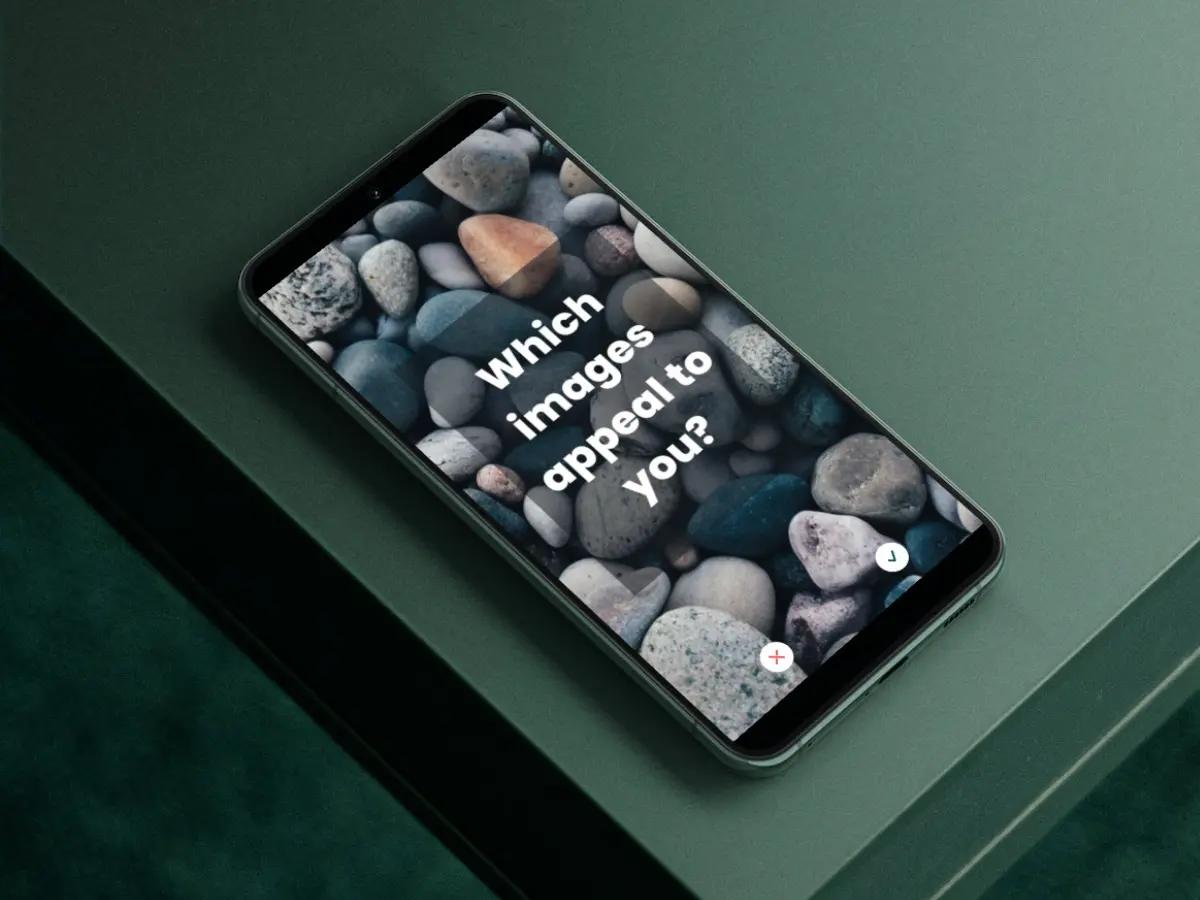
Zero-party data is what customers choose to tell you about what they want and need. Roccai collects their answers through interactive guides. Growth Intelligence helps you see what those answers have in common and where needs differ, so you can recommend relevant products, prepare for sales conversations, and spot needs you haven’t yet addressed.
Updated

Digital Visual Interactions
Digital visual interaction shifted from text-based interfaces to swipe-driven, image- and video-first experiences the moment social media and smartphones arrived. Today brands win attention on social by treating feeds as storefronts: short-form video, edutainment, authentic content, and shoppable posts turn visual engagement into discovery, trust, and sales.
Updated

How Swiping Engage The Users
Swiping engages users because it's intuitive, instantly responsive, and satisfying: every gesture delivers immediate visual and tactile feedback that keeps people exploring. Roccai brings this Tinder-style swipe to e-commerce, turning each swipe into declared preferences and dislikes that become segmentable, actionable data on a white-label platform brands can tailor to their own identity.
Updated

How Personalized Customer Experiences benefit your business
Personalized customer experiences drive loyalty, retention, and revenue by treating each customer as an individual instead of a generic segment. Businesses collect behavioral, demographic, and preference data, segment their audience, and tailor content, recommendations, and offers so every interaction feels relevant, valued, and worth returning for.
Updated