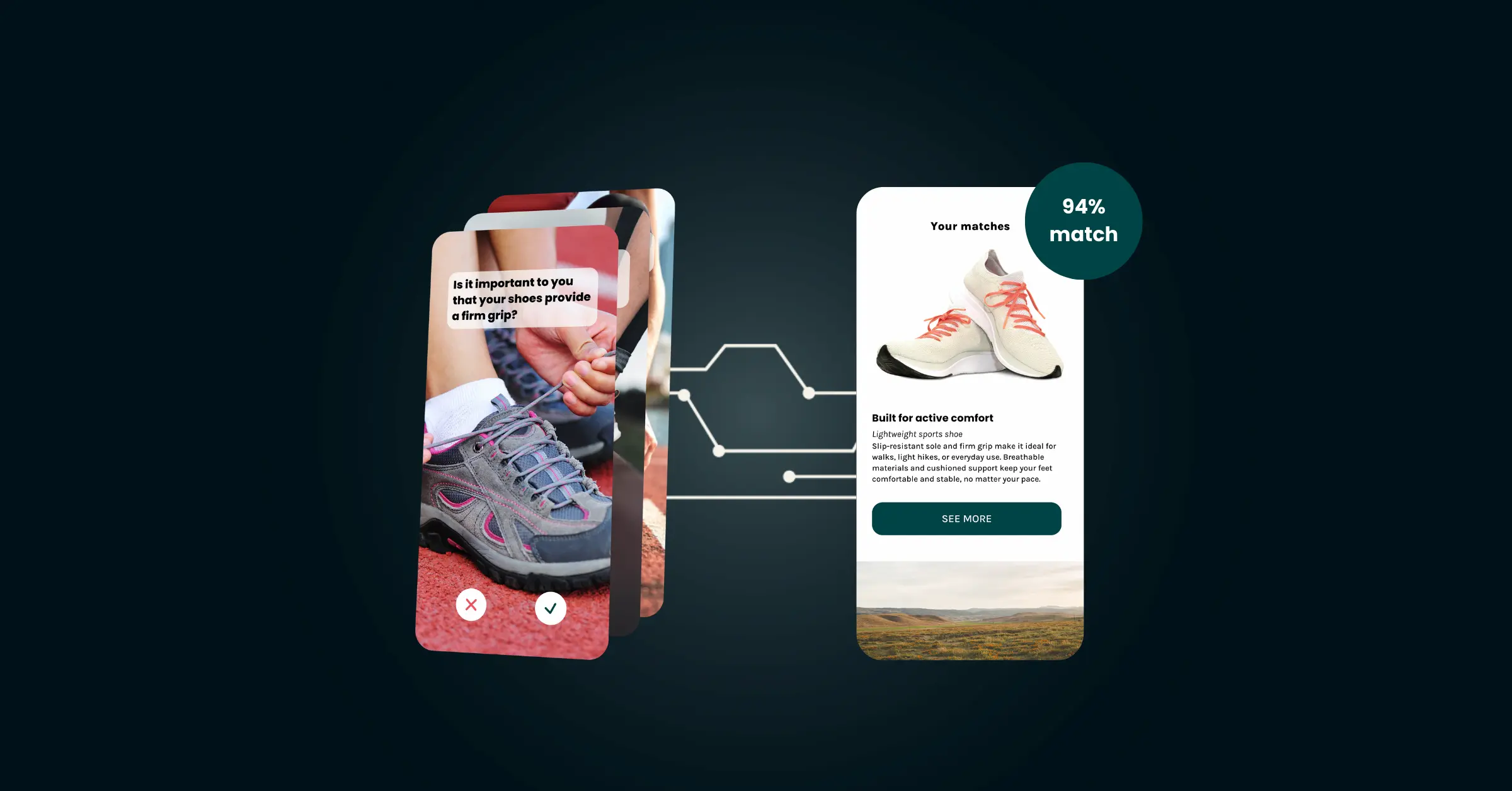


The cookieless future is already here. As third-party cookies disappear, brands and webshops need new ways to deliver relevant, personalized experiences. One of the most effective solutions is zero-party data – information that customers willingly share with you in exchange for value. This approach not only helps you stay compliant but also strengthens the bond between your business and your audience.
What is Zero-Party Data?
Zero-party data refers to information that customers intentionally and proactively provide. Unlike third-party cookies, which track users across websites without their active involvement, these insights are freely offered in contexts where customers see the benefit of doing so.
Examples include details about preferred product categories, specific items on a wishlist, lifestyle choices that inform buying behavior, or feedback provided through surveys and questionnaires. This kind of data is inherently more accurate because it comes directly from the source – your customer – and therefore reflects real intent, not inferred assumptions.
Why It Matters
The shift away from third-party cookies has forced many businesses to rethink their approach to personalization. Instead of relying on behind-the-scenes tracking, companies now have the chance to create a marketing model built on transparency.
With direct input from customers, personalization becomes more precise, leading to higher engagement rates and stronger conversion outcomes. Trust also grows, since customers know they are in control of the information they provide. On top of that, the use of customer-shared insights makes your webshop more resilient to sudden changes in privacy regulations or browser policies, ensuring that your strategy remains sustainable in the long run.
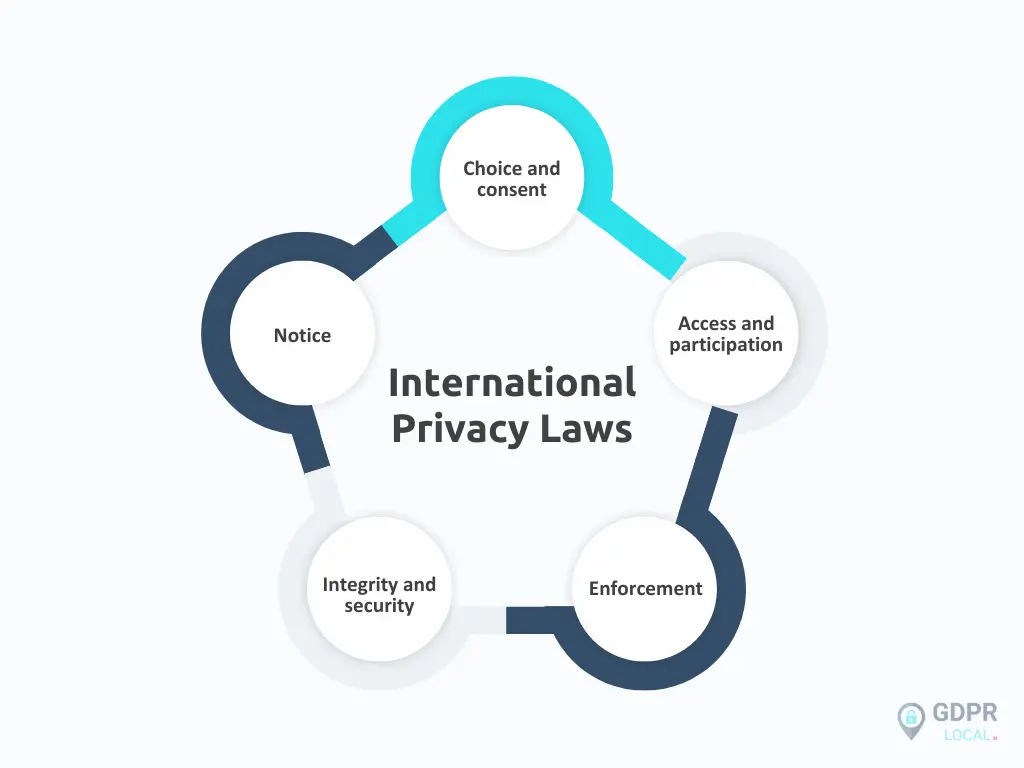
International privacy laws emphasize transparency and consent. Zero-party data aligns with these principles by giving customers full control over the information they share. Source: GDPR Local
What might seem like a loss of data is actually an opportunity to build marketing strategies that are not only more effective but also more ethical.
How to Collect Zero-Party Data
Gathering valuable customer insights requires a thoughtful exchange of value. People are willing to share when they see a clear benefit for themselves. Here are a few effective approaches:
-
Interactive product quizzes
These help customers discover the right product for their needs while simultaneously providing your business with insights into preferences and intentions. -
Email preference centers
Giving users the option to customize how often and what kind of communication they receive not only empowers them but also ensures that the messages you send are more relevant. -
Surveys with incentives
Asking for quick feedback or opinions in exchange for discounts, loyalty points, or early access to new products can create a win-win situation. -
Loyalty programs and gamified experiences
Reward systems that allow customers to gain value from participation encourage ongoing engagement and provide opportunities for consistent data collection. -
Personalized recommendations
Demonstrating the value of sharing data immediately—such as through dynamic product suggestions based on stated preferences—shows customers the direct impact of their input.
These tactics not only generate useful insights but also enhance the overall customer experience, making every interaction feel more personal and rewarding.
Privacy as a Competitive Advantage
Modern shoppers are more privacy-conscious than ever. They want to know that the brands they support are not just compliant with regulations but also respectful of their boundaries. Companies that embrace transparency in how they collect and use information set themselves apart from competitors who continue to rely on outdated, opaque practices.
Using first-hand customer data responsibly signals respect and creates a sense of partnership. Customers who feel seen and heard are more likely to return, recommend your brand, and become long-term advocates. Over time, this builds a foundation of loyalty that no amount of traditional tracking could replicate.
Final Thoughts
The end of third-party cookies isn’t a setback for digital marketing—it’s an opportunity to evolve. By asking for customer input directly and providing clear value in return, businesses can achieve more accurate personalization, stronger trust, and sustainable growth.
At Roccai, we specialize in helping businesses make this transition successfully. By integrating smart strategies around zero-party data, we empower brands to thrive in the cookieless era while remaining ethical, transparent, and customer-first.
Ready to explore how your webshop can benefit? Get in touch with Roccai and let’s shape your Zero-Party Data strategy today.